
Why Your Face Looks Puffy in the Morning: Causes and Quick Fixes
You look in the mirror first thing in the morning and notice your face looks fuller than usual. Your eyelids appear puffy, your cheeks seem swollen, and your jawline feels softer. By mid-morning, the fullness has largely cleared and your facial contours return. Why does this overnight fluid shift happen, and why does it affect some mornings more than others [1].
Morning facial puffiness, often referred to as temporary facial edema, is usually driven by overnight fluid redistribution within the skin. While you sleep, fluids behave differently than when you are standing and active. Understanding how posture, diet, and gentle daily habits influence this process helps you minimize morning swelling and refresh your skin quickly [2].
Key Takeaways on Morning Facial Puffiness
- Postural Fluid Shift: Lying horizontal for several hours removes the downward pull of gravity, allowing fluids to settle into facial tissues [1].
- Under-Eye Skin: The skin around the eyelids is very thin, making minor fluid changes immediately noticeable.
- Sodium and Water Balance: Evening meals high in sodium encourage the body to hold onto water overnight [3].
- Bedding Cleanliness: Dust and allergens in pillows can trigger mild surface reactions that increase morning puffiness [4].
- Quick Morning Routine: Cool compresses and gentle upward massage help encourage natural fluid drainage upon waking.
- 1. How Overnight Fluid Dynamics and Posture Affect Your Face
- 2. Under-Eye Sensitivity: Why Eyes Swell First
- 3. Dietary Influences: Sodium, Hydration, and Evening Meals
- 4. Sleep Ergonomics: Head Elevation and Sleeping Posture
- 5. Environmental Factors: Dust and Pillow Cleanliness
- 6. Hormonal and General Health Factors
- 7. Quick Morning Depuffing Methods and Cold Compresses
- 8. Comparison of Swelling Causes and Helpful Solutions
- 9. Bedtime Checklist to Prevent Morning Puffiness
- 10. When to Consult a Healthcare Professional
- 11. Authoritative Sources and Literature References
- 12. Frequently Asked Questions (FAQ)
1. How Overnight Fluid Dynamics and Posture Affect Your Face
The main reason for morning facial fullness is the change in body position between day and night [1]. During the day, gravity naturally encourages fluids to move downward toward the body and lower limbs. When standing or sitting, the circulatory and lymphatic systems continually move fluid away from the head.
When you lie flat to sleep for seven to nine hours, gravity no longer pulls fluids away from the face. As a result, interstitial fluids settle evenly across the head and facial tissues [1].
Additionally, the facial lymphatic system relies partly on facial muscle movement, such as blinking, talking, and chewing, to help pump fluid along. During restful sleep, these movements stop, allowing fluids to rest in the loose tissues beneath the skin.
This is a normal physiological process. Once you get out of bed and begin moving, gravity and facial expressions resume their work, and swelling usually subsides within 30 to 120 minutes. If your skin looks dull or tired upon waking, explore our analysis on why your face looks tired even after sleep.
2. Under-Eye Sensitivity: Why Eyes Swell First
While fluid settles across the whole face, swelling is often most visible around the eyes. The anatomy of the eye area explains why it is so sensitive to fluid changes.
The skin of the eyelids is among the thinnest on the body, measuring under half a millimeter thick. The area has less dense supporting tissue beneath it, meaning even small amounts of fluid accumulation can push the delicate skin outward, creating morning eye bags [2].
If morning eye puffiness comes with dark under-eye circles, read our clinical guide on why dark circles persist to understand the difference between fluid retention, melanin pigmentation, and structural tear troughs.
Facial Fluid Dynamics: Overnight vs Daytime
How posture and everyday movement balance facial fluids
Overnight Fluid Accumulation
- Horizontal Posture: Fluids settle evenly across facial tissues.
- Resting Muscles: Lack of facial movement slows lymph circulation.
- Delicate Eye Area: Thin eyelid skin reveals fluid easily.
- Fluid Balance: Natural overnight retention pools in loose areas.
Daytime Natural Drainage
- Upright Posture: Gravity draws fluids downward away from the head.
- Muscle Activity: Blinking and talking support lymphatic circulation.
- Cool Water Rinse: Cool water refreshes skin and contracts capillaries.
- Morning Hydration: Drinking water helps the body flush extra sodium.
3. Dietary Influences: Sodium, Hydration, and Evening Meals
What you eat and drink in the evening plays a clear role in how much water your body holds overnight [3].
Sodium Intake: Consuming salty meals, snacks, or takeout late in the evening prompts your body to retain extra water to balance sodium levels. This retained fluid readily shows in facial tissue by morning.
Evening Alcohol: Drinking alcohol can dilate surface blood vessels and dehydrate the body, leading to a rebound fluid retention overnight. Dehydration also weakens the outer skin barrier.
Late-Night Meals: Eating large meals close to bedtime keeps your digestion active and can affect sleep quality, contributing to morning facial heaviness. Check our recommendations on anti-aging skincare mistakes after 30.
4. Sleep Ergonomics: Head Elevation and Sleeping Posture
Your sleeping position and pillow setup are straightforward factors you can adjust to help reduce morning puffiness.
- Back Sleeping: Sleeping on your back helps fluid drain more evenly toward the neck and shoulders.
- Side Sleeping: Can cause fluid to settle more on one side of the face, leading to slight asymmetry in the morning.
- Stomach Sleeping: Places direct pressure on the face and makes it easier for fluid to collect around the eyes.
Pillow Elevation: Elevating your head slightly with a supportive pillow uses gravity to encourage passive drainage throughout the night.
Pillowcase Fabric: Smooth fabrics like silk or satin create less friction against the skin, helping reduce overnight irritation.
5. Environmental Factors: Dust and Pillow Cleanliness
Allergens in your sleeping environment can also contribute to morning puffiness [4].
Pillows and bedding can collect dust and pet dander. When sensitive skin rests against allergens for several hours, mild local histamine responses can cause extra blood flow to the eyes and face, resulting in swollen, puffy eyelids upon waking. Keep your skin clear by learning how to stop sunscreen and sweat from clogging pores.
6. Hormonal and General Health Factors
Natural hormonal shifts can also influence how the body manages fluids.
Menstrual Cycle: Many people notice increased fluid retention and morning puffiness during the week before their period, when hormonal shifts encourage temporary water holding.
Thyroid Balance: A sluggish thyroid can sometimes lead to firmer, persistent facial fullness that takes longer to clear during the day. If swelling is accompanied by persistent fatigue, discussing it with a doctor is helpful.
7. Quick Morning Depuffing Methods and Cold Compresses
If you wake up with swelling, a few gentle techniques can help speed up natural drainage [2].
- Cool Compresses: Rinsing with cool water, using chilled spoons, or applying a cool washcloth helps refresh the skin and calm surface capillaries.
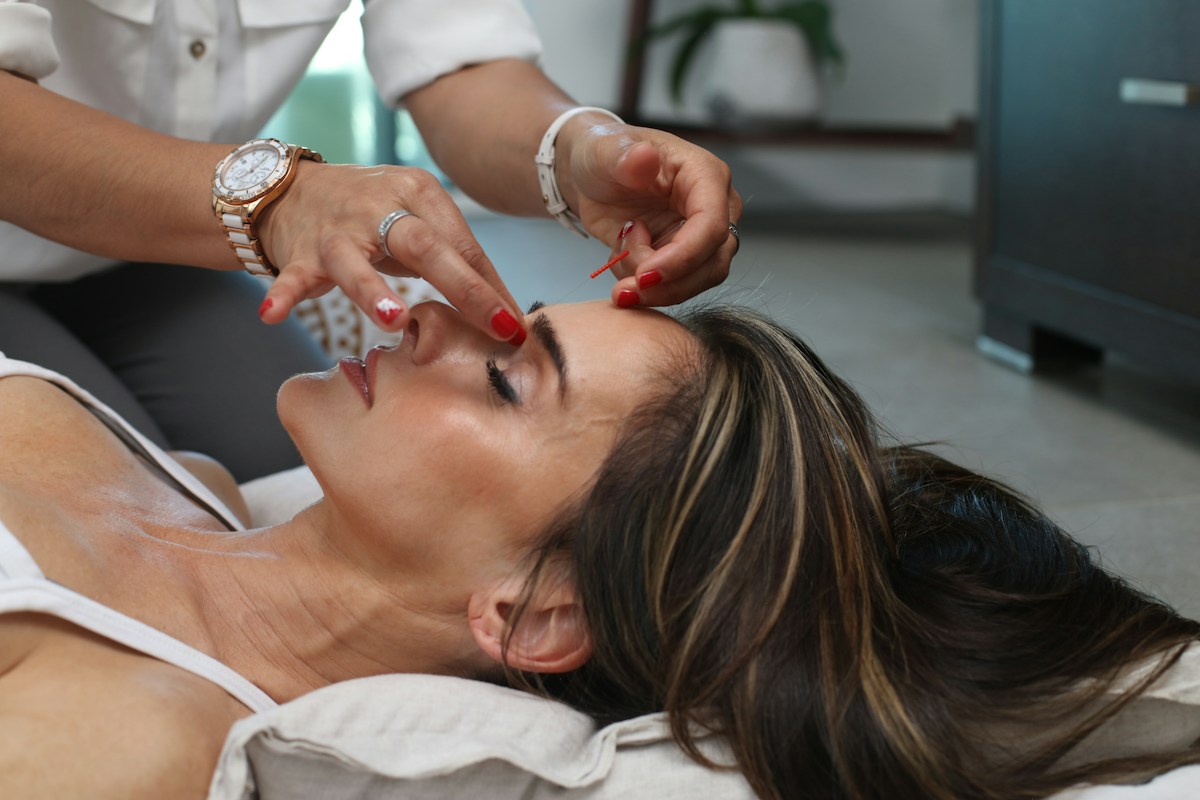
- Gentle Massage: Lightly sweeping your fingers from the center of the forehead outward, under the eyes toward the ears, and down the sides of the neck encourages lymphatic flow.
- Caffeine Eye Creams: Topical eye products with caffeine can temporarily constrict surface vessels and reduce the look of under-eye bags.
- Morning Glass of Water: Drinking a large glass of water after waking supports your kidneys in balancing electrolytes and clearing stored sodium.
8. Comparison of Swelling Causes and Helpful Solutions
| Common Trigger | What Happens in the Body | Primary Area Affected | Recommended Solution |
|---|---|---|---|
| Flat Sleep Posture | Fluids settle in facial tissue without gravity | Eyes and cheeks | Slightly elevate head with a supportive pillow |
| Salty Late Dinner | Body holds onto water to balance sodium | Under eyes and upper face | Drink a full glass of water upon waking |
| Evening Alcohol | Blood vessels dilate followed by rebound water retention | Cheeks and jawline | Apply cool compresses and gentle massage |
| Bedding Dust | Mild surface histamine response to allergens | Eyelids and nasal area | Wash pillowcases weekly in warm water |
Practical Bedtime Strategy
Enjoy your evening dinner at least a couple of hours before bed, keep sodium moderate, sleep with your head gently elevated, and wash bedding regularly for a refreshed morning look. Complete your routine with mineral sun defense; see mineral vs chemical sunscreens.
9. Bedtime Checklist to Prevent Morning Puffiness
Try these simple bedtime steps to help reduce fluid buildup overnight:
- Moderate Late-Evening Salt: Keep evening snacks lower in sodium to avoid extra water retention.
- Support Head Position: Use a comfortable pillow that keeps your head slightly raised above your chest.
- Keep Bedding Fresh: Launder pillowcases regularly to reduce exposure to dust and allergens.
- Stay Hydrated During the Day: Drink enough water throughout the day so you do not need large amounts right before sleep.
- Sleep on Your Back When Possible: Resting on your back minimizes compression on your facial skin. Master morning sun protection with how to reapply sunscreen over makeup.
10. When to Consult a Healthcare Professional
While morning puffiness is generally harmless and temporary, consult a physician if you experience [2]:
- Swelling that appears suddenly on only one side of the face.
- Puffiness that does not improve after being upright for several hours or persists all day.
- Facial swelling accompanied by breathing difficulty, hives, or swelling of the lips.
📚 Authoritative Sources and Literature References
- [1] Hall JE. Guyton and Hall Textbook of Medical Physiology. 13th ed. Elsevier; 2016. (Fluid dynamics and capillary filtration).
- [2] American Academy of Dermatology. Skin Care and Facial Edema Insights. AAD Resources; 2023.
- [3] Hall JE, do Carmo JM. Renal hemodynamics and osmoregulation in fluid retention. Nature Reviews Nephrology. 2020;16(4):211-224.
- [4] Bousquet J, et al. Allergic Rhinitis and Environmental Triggers. Journal of Allergy and Clinical Immunology. 2020;145(3):756-770.
Free Sunscreen and Skincare Tools
❓ Frequently Asked Questions
Why is my face puffy only in the morning and not during the day?
Lying flat allows fluids to settle across facial tissues. When you stand up and begin moving, gravity naturally draws fluid away from the head, clearing puffiness over the next hour or two.
Can late-night salt cause morning facial swelling?
Yes, higher sodium intake near bedtime causes temporary water retention as the body balances electrolyte levels, often visible around the eyes and cheeks.
How does sleep position affect facial puffiness?
Sleeping on your stomach or side can encourage fluid to gather on one side of the face. Sleeping on your back with slight head elevation promotes natural drainage.
How does cold water help reduce morning swelling?
Cool water causes surface capillaries to gently narrow, reducing localized fluid movement and refreshing the skin.
Educational Disclaimer:
This article is for educational and informational purposes and does not constitute medical advice. Consult a healthcare provider for personalized medical evaluation.
Protect Your Skin Barrier Daily
Explore our evidence-based sun protection and ingredient guides to keep your skin healthy and resilient every morning.
Explore Skincare Guides → Editor's Pick
prime Fast Delivery
Editor's Pick
prime Fast Delivery
Daily Hydrating Broad Spectrum SPF 50 (Winter & All-Weather Shield)
Formulated with photostable clinical UV filters, rich hydrating ceramides, and antioxidant Vitamin E. Delivers deep moisture protection against dry winter winds, zero white cast, and no stinging around sensitive eyes.
*Disclosure: As an Amazon Associate, PureSPF earns from qualifying purchases at zero extra cost to you.